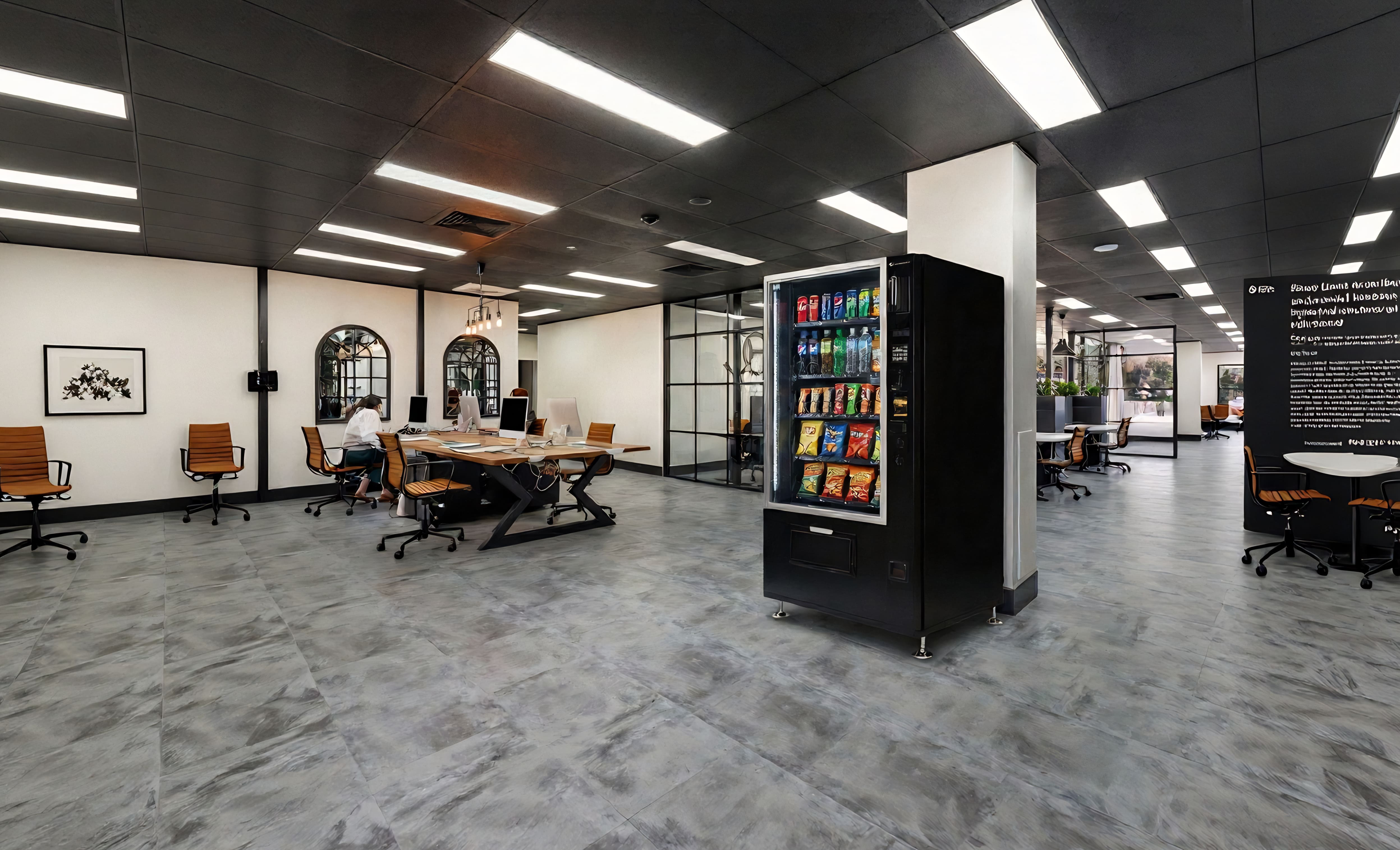
High acquisition costs, tied-up capital, location challenges, and ongoing expenses mean that investing in a vending machine should be carefully considered. In this article, we take an honest look at when a vending machine makes sense, which challenges are realistic, and which factors ultimately determine success or failure.
Purchasing a vending machine usually involves a noticeable upfront investment. In addition to the machine itself, several other factors come into play:
There is also a central uncertainty many operators face:
This question can never be answered with absolute certainty in advance—it is part of the entrepreneurial risk.
Even if not everything can be planned, there are key levers you can actively influence.
Take all relevant costs into account:
A realistic calculation protects you from unpleasant surprises.
Efficient operation is not about maximum equipment, but about control:
Despite these considerations, vending machines offer clear advantages:
In many cases, vending machines amortize within a reasonable period when operated properly.
With strong sourcing for products, stable margins are achievable—provided pricing and assortment are reviewed and adjusted regularly.
A vending machine is not a self-running business, but it is also not a high-risk venture.
With realistic expectations, solid planning, and consistent execution, it can become a stable and sustainable business.
Perfect locations are rare—functional ones are far more common.
At NEOVEND.io, we support you in building a vending business where all components work together effectively:
All with one goal: to enable a calm, predictable, and long-term viable vending operation for you.

Neovend provides innovative, modular vending solutions designed for flexibility, reliability, and modern retail environments.
© Copyrights 2025 Neovend. All rights reserved.

Privacy is important to us, so you have the option of disabling certain types of storage that may not be necessary for the basic functioning of the website. Blocking categories may impact your experience on the website. More information